 admin1
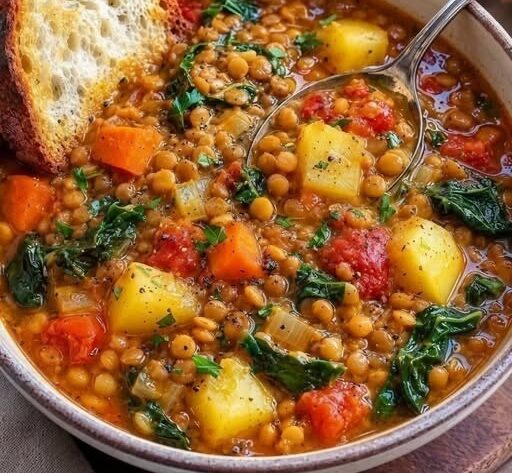
This hearty lentil vegetable soup is the kind of comforting homemade meal that fits beautifully into a busy weeknight dinner routine. Tender lentils simmer with potatoes, carrots, tomatoes, onion, leafy greens, and aromatic seasonings to create a rich, satisfying soup with plenty of texture and flavor. The combination is simple, affordable, and naturally filling, making this an excellent choice when you want an easy lentil soup recipe that does not require complicated cooking techniques. Served hot with a slice of crusty bread, this vegetable lentil soup becomes a complete-feeling meal that works especially well during cool evenings. The lentils provide a hearty base while the vegetables add color, freshness, and natural sweetness, creating a rustic one-pot soup that tastes even better after the flavors have had time to come together.
Why This Lentil Soup Is Worth Making
A good lentil soup does not need an elaborate ingredient list or hours of preparation. This recipe focuses on everyday vegetables and pantry-friendly lentils, allowing each ingredient to contribute something useful to the final bowl. Potatoes make the soup more substantial, carrots bring gentle sweetness, tomatoes add acidity and depth, while leafy greens provide a fresh finish. The lentils absorb the savory broth as they cook, becoming tender without needing to be soaked beforehand. That makes this an especially practical lentil soup recipe for home cooks who want a nourishing dinner without extensive preparation. Because everything cooks together in one pot, cleanup is also straightforward. The result is a rustic vegetable soup with a thick, comforting texture and a satisfying balance between earthy lentils, tender vegetables, savory broth, and fresh herbs.
What Makes Homemade Lentil Vegetable Soup So Flavorful
The secret to flavorful lentil vegetable soup is building the taste gradually rather than simply putting every ingredient into a pot at once. Starting with onion and garlic helps create a savory aromatic foundation, while carrots add sweetness and tomatoes contribute brightness. As the lentils simmer, they naturally release some of their starch into the cooking liquid, giving the broth a pleasantly hearty consistency. Potatoes also contribute body as they soften. Seasonings work throughout the cooking process, allowing the lentils and vegetables to absorb their flavor instead of leaving the soup tasting flat. Finally, adding leafy greens toward the end keeps them vibrant and prevents them from becoming overly soft. This layered approach creates a homemade soup that tastes much richer than the simplicity of its ingredients might suggest.
Choosing Lentils for the Best Texture
Lentils are one of the easiest legumes to use in homemade soup because they generally cook much faster than dried beans and do not require an overnight soaking process. For this style of vegetable lentil soup, brown or green lentils are especially suitable because they hold their shape reasonably well while still becoming tender enough to create a satisfying texture. Before cooking, rinse the lentils thoroughly and check them for any small stones or debris. Rinsing also removes loose particles that could make the cooking liquid cloudy. The cooking time can vary slightly depending on the age and variety of the lentils, so begin checking their texture toward the end of the suggested cooking period. Properly cooked lentils should be tender and creamy inside while still retaining enough structure to make every spoonful interesting.
Preparing the Vegetables
Good vegetable preparation makes this easy lentil soup recipe even simpler to manage. Cut the potatoes and carrots into relatively even pieces so they cook at a similar rate. Smaller pieces will soften faster, while larger chunks will remain more substantial in the finished soup. Chop the onion finely enough that it can soften into the base without dominating individual spoonfuls. Garlic can be minced or finely chopped, depending on the texture you prefer. Tomatoes should be prepared according to the ingredient format being used, while leafy greens can be roughly chopped before adding them near the end. Keeping the vegetables reasonably uniform is more important than achieving perfect knife cuts. The goal is simply to make sure that every component reaches a pleasant texture at approximately the right time.
Building the Soup Base
The beginning of the cooking process is where much of the soup’s savory character develops. Gently cooking the onion allows it to soften and release its natural sweetness, while garlic adds a deeper aromatic note. When tomatoes are introduced, they help balance the richness of the lentils and vegetables with their natural acidity. This is an important part of creating a flavorful broth because lentils can sometimes taste heavy if there is not enough brightness in the base. Allowing the ingredients to cook together briefly before adding the liquid gives the vegetables an opportunity to develop more flavor. Once the broth is added, scraping the bottom of the pot helps incorporate the flavorful bits created during cooking. These small details can make a noticeable difference in the final taste of a simple homemade soup.
Adding Lentils, Potatoes, and Carrots
Once the aromatic base is ready, the lentils, potatoes, and carrots can be added along with the cooking liquid. Bring everything to a gentle boil and then reduce the heat so the soup simmers steadily rather than boiling aggressively. A gentle simmer is ideal because it allows the lentils to cook evenly while giving the vegetables enough time to soften without becoming completely broken down. Stir the pot occasionally to prevent the lentils from settling heavily on the bottom. If the soup becomes thicker than expected while cooking, a little additional broth or water can be used to adjust the consistency. The finished soup should be hearty but still spoonable, with enough liquid to surround the lentils and vegetables rather than becoming a completely dry stew.
Adding Leafy Greens at the Right Time
Leafy greens are best added toward the end of the cooking process. This keeps their color fresher and gives them enough time to soften without disappearing into the broth. Spinach, for example, cooks very quickly and can be stirred into the hot soup during the final few minutes. If using a sturdier green, slightly more cooking time may be appropriate. Greens also add a fresh contrast to the earthy flavor of lentils and the richness of potatoes. Their presence makes the soup visually appealing, with bright green leaves contrasting against the orange carrots, red tomatoes, golden potatoes, and brown lentils. Stir the greens gently through the soup and allow them to wilt naturally in the heat. This final step gives the dish a balanced combination of hearty vegetables and fresh, vibrant ingredients.
How to Get the Perfect Soup Consistency
The ideal consistency of lentil vegetable soup is largely a matter of personal preference. Some people enjoy a brothy soup where the vegetables and lentils remain clearly separated, while others prefer a thicker bowl with a more stew-like texture. Lentils naturally thicken the cooking liquid as they soften, so the soup may become noticeably thicker after resting for several minutes. If you prefer a lighter consistency, simply add a little more broth or water until it reaches the texture you like. If the soup seems too thin, allow it to simmer uncovered for a few additional minutes. Avoid adding large amounts of liquid at once because it is easier to thin a thick soup than to correct a watery one. Remember that the soup will continue to thicken slightly as it cools.
Serving This Hearty Vegetable Soup
This homemade lentil vegetable soup is delicious served piping hot with crusty bread, toasted sourdough, or another favorite bread for dipping. The bread is particularly useful for soaking up the flavorful broth, making the meal feel even more substantial. A small garnish of fresh herbs can add brightness and a pleasant finishing touch. The soup can be served as a light lunch, a cozy dinner, or as part of a larger meal. Because the combination of lentils and vegetables is naturally filling, a generous bowl can stand on its own without requiring complicated side dishes. For a casual family dinner, place the pot in the center of the table and let everyone serve themselves. This relaxed presentation suits the rustic character of the recipe and makes it an easy option for everyday cooking.
A Simple Weeknight Dinner Solution
Busy evenings often call for recipes that are dependable, filling, and uncomplicated, and this easy lentil soup fits that description well. Most of the preparation involves washing, chopping, and adding ingredients to one pot, which means there is no need for multiple pans or complicated cooking stages. Once the soup reaches a steady simmer, much of the work happens naturally while the lentils and vegetables cook. That makes it possible to prepare other parts of dinner, tidy the kitchen, or simply relax while the soup develops its flavor. The recipe is also flexible enough to suit different schedules. It can be prepared earlier in the day and gently reheated when dinner time arrives. For families looking for affordable homemade meals, this is a practical recipe to keep in regular rotation.
Why Lentils Work So Well With Vegetables
Lentils have a naturally earthy flavor that pairs beautifully with sweet, savory, and acidic ingredients. Carrots complement their earthiness with natural sweetness, while tomatoes provide brightness and depth. Potatoes make the dish more substantial and add a soft, comforting texture. Leafy greens bring a fresh element that prevents the soup from feeling too heavy. Onion and garlic provide the aromatic foundation that ties all of these flavors together. This combination is one reason lentil vegetable soup has remained such a popular comfort-food choice across many kitchens. It is simple enough for everyday cooking but flavorful enough to feel like a carefully prepared meal. The ingredients also work together texturally, giving each spoonful a mixture of tender vegetables, soft lentils, flavorful broth, and delicate greens.
Making the Most of Leftover Soup
One of the advantages of making a large pot of lentil soup is that leftovers are easy to enjoy later. After the soup has cooled properly, transfer it to an airtight container and refrigerate it. The flavors often become even more developed after resting, making the next day’s bowl especially satisfying. Because lentils continue absorbing liquid as they sit, leftover soup may become thicker than it was immediately after cooking. When reheating, add a small amount of broth or water if necessary and warm it gently until hot throughout. Stir occasionally so the bottom does not stick. If preparing the soup specifically for leftovers, you can keep the greens slightly undercooked during the first preparation so they retain a pleasant texture when reheated.
Freezing Lentil Vegetable Soup
This type of lentil vegetable soup can also be prepared ahead for convenient freezer meals. Allow the cooked soup to cool before transferring it into freezer-safe containers, leaving enough space for expansion. Smaller individual portions are useful when you want a quick lunch or dinner without thawing an entire batch. When ready to eat, thaw the soup safely and reheat it thoroughly. The texture of potatoes and leafy greens can change slightly after freezing, but the overall dish remains hearty and flavorful. If you know you are preparing a batch specifically for freezing, you may prefer to add the leafy greens after thawing and reheating rather than freezing them in the soup. This can help preserve a fresher texture and color. Always use suitable airtight containers to reduce freezer burn and maintain quality.
Notes for Better Results
For the best results, keep the soup at a gentle simmer instead of allowing it to boil aggressively. Excessive boiling can cause the potatoes and vegetables to break apart before the lentils have finished cooking. Taste the broth near the end of the cooking time and adjust the seasoning only if necessary. Since the vegetables and lentils absorb liquid as they cook, check the consistency before serving and add a little more broth or water if the soup has become too thick. Fresh greens should be added close to the end so they retain their color and texture. If you want a more rustic texture, leave the vegetables in larger chunks. For a smoother, thicker soup, some of the cooked vegetables and lentils can be gently mashed into the broth. These small adjustments allow the same recipe to suit different preferences.
Common Questions About Lentil Vegetable Soup
A few common questions come up when preparing homemade lentil soup. One is whether lentils need to be soaked first; for most common soup varieties, soaking is generally unnecessary, although rinsing them is important. Another question concerns thickness. Lentil soup naturally becomes thicker as it cooks and rests, so adjusting the liquid toward the end is often the easiest approach. Some cooks also wonder when to add greens. Delicate greens should go in near the end because they cook quickly. If the soup tastes too rich or earthy, tomatoes and fresh herbs can provide a brighter contrast. If it tastes too thin, a longer uncovered simmer can help concentrate the broth. The key is to taste and adjust gradually rather than making several large changes at once.
How to Make This Recipe Part of Your Meal Rotation
A reliable homemade soup recipe can make weekly meal planning much easier. This lentil vegetable soup uses familiar ingredients and can be prepared in a single pot, making it suitable for both planned dinners and spontaneous meals. You can serve it with bread on one evening, pack leftovers for lunch the next day, or freeze portions for a future busy night. The combination of lentils and vegetables also makes the soup satisfying without requiring a complicated main course alongside it. Keeping lentils, potatoes, carrots, tomatoes, and basic seasonings available means you can often prepare this recipe without a special grocery trip. That convenience is one of its biggest strengths. It is the kind of practical comfort food that can become a dependable part of a family’s regular dinner routine.
Preparation Duration: 15 minutes
Cooking Duration: 40–50 minutes
Total Duration: About 55–65 minutes
Servings: 6
Ingredients
- 1 cup brown or green lentils, rinsed
- 2 medium potatoes, peeled and cut into chunks
- 2 carrots, peeled and chopped
- 1 medium onion, finely chopped
- 3 cloves garlic, minced
- 2–3 tomatoes, chopped
- 2 cups fresh leafy greens, roughly chopped
- 6 cups vegetable broth
- 2 tablespoons olive oil
- 1 teaspoon salt
- ½ teaspoon black pepper
- 1 teaspoon dried herbs or mixed seasoning
- Fresh parsley, for garnish
- Crusty bread, for serving
Step-by-Step Instructions
1. Prepare the Lentils
Rinse the lentils thoroughly under cool running water and check them carefully for any unwanted debris. Set the cleaned lentils aside while preparing the vegetables.
2. Cook the Aromatics
Heat the olive oil in a large soup pot over medium heat. Add the chopped onion and cook until softened. Stir in the minced garlic and cook briefly until fragrant.
3. Add the Vegetables
Add the chopped carrots, potatoes, and tomatoes to the pot. Stir everything together so the vegetables become coated with the aromatic mixture.
4. Add Lentils and Broth
Stir in the rinsed lentils, vegetable broth, salt, black pepper, and dried herbs. Mix well and bring the soup to a gentle boil.
5. Simmer the Soup
Reduce the heat to low or medium-low and partially cover the pot. Allow the soup to simmer for approximately 30–40 minutes, stirring occasionally, until the lentils and vegetables are tender.
6. Add the Greens
Stir the chopped leafy greens into the soup during the final few minutes of cooking. Allow them to wilt while keeping their fresh color and texture.
7. Check the Consistency
Taste the soup and check its thickness. If it is too thick, add a little more broth or water. If it is too thin, simmer uncovered for a few additional minutes.
8. Serve Hot
Ladle the finished lentil vegetable soup into bowls. Garnish with fresh parsley and serve immediately with warm crusty bread.
Nutritional Information
Approximate values per serving and may vary according to the exact ingredients and quantities used.
- Calories: 285 kcal
- Protein: 13 g
- Carbohydrates: 45 g
- Dietary Fiber: 15 g
- Fat: 7 g
- Saturated Fat: 1 g
- Sodium: 620 mg
- Sugar: 7 g