 admin1
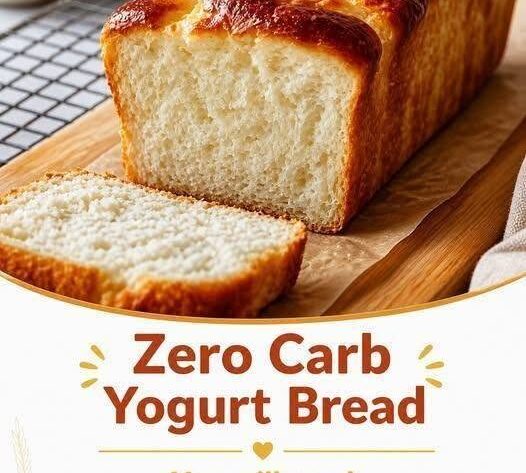
If you’re looking for an easy bread recipe that feels indulgent while keeping carbohydrates very low, this yogurt bread is worth trying. It comes together with a handful of simple ingredients, requires no yeast, and can be ready much faster than traditional homemade bread.
The viral description of this recipe often calls it “zero carb” and says you can eat as much as you like. However, those claims aren’t literally accurate for most versions. Yogurt and eggs contain some carbohydrates, and portion size still matters—even when a recipe is very low in carbs.
That said, this bread can be a convenient option for people who want a lower-carb, protein-rich alternative to conventional bread.
Its texture is soft and tender, with lightly crisp edges when baked properly. You can enjoy it for breakfast, use it as a sandwich base, or toast it and serve it alongside your favorite meal.
Why You’ll Love This Yogurt Bread
There are plenty of reasons this recipe has become so popular.
- Quick and easy to prepare
- No yeast required
- No long rising time
- High in protein compared with many traditional breads
- Naturally low in carbohydrates when made with suitable ingredients
- Uses simple pantry and refrigerator staples
- Great for breakfast or lunch
- Easy to customize with herbs and spices
- Works well as toast or a sandwich base
If you’ve ever wanted homemade bread without waiting hours for dough to rise, this recipe is particularly appealing.
Ingredients
For a simple yogurt bread, you’ll need:
- 1 cup thick Greek yogurt
- 2 large eggs
- 1 cup finely ground almond flour
- 1 teaspoon baking powder
- ½ teaspoon salt
- ½ teaspoon garlic powder, optional
- ½ teaspoon dried Italian herbs, optional
For an even lower-carbohydrate version, you can experiment with a combination of almond flour and other low-carb ingredients, but remember that the nutritional values will change.
Choose plain, unsweetened Greek yogurt rather than flavored yogurt. Flavored varieties can contain significantly more added sugar.
How to Make Yogurt Bread
Step 1: Preheat the Oven
Start by preheating your oven to 350°F (175°C).
Line a small loaf pan with parchment paper or lightly grease it.
Using parchment makes removing the finished bread much easier.
Step 2: Mix the Wet Ingredients
Add the Greek yogurt and eggs to a medium mixing bowl.
Whisk until the mixture is smooth and well combined.
Don’t worry if the mixture looks relatively loose at this stage. The dry ingredients will thicken it.
For a savory loaf, you can add garlic powder, Italian herbs, black pepper, or other seasonings now.
Step 3: Add the Dry Ingredients
In a separate bowl, combine the almond flour, baking powder, and salt.
Gradually add the dry ingredients to the yogurt mixture.
Stir until you have a thick, evenly mixed batter.
Avoid overmixing. Once there are no obvious pockets of dry ingredients, stop stirring.
The consistency should be thicker than pancake batter but softer than traditional bread dough.
Step 4: Transfer to the Pan
Spoon the batter into your prepared loaf pan.
Use the back of a spatula to smooth the surface.
If you want a more rustic appearance, you can leave the top slightly uneven.
For extra flavor, sprinkle a small amount of dried herbs or sesame seeds over the top before baking.
Step 5: Bake
Place the pan in the preheated oven.
Bake for approximately 25–35 minutes, depending on the size and depth of your pan.
The bread should become lightly golden on top and feel firm in the center.
A toothpick inserted into the middle should come out mostly clean.
Because ovens vary, begin checking toward the lower end of the baking range.
Step 6: Cool Completely
Remove the bread from the oven and allow it to cool in the pan for approximately 10 minutes.
Then carefully transfer it to a wire rack.
Let it cool further before slicing.
This step is important because the interior continues to set as the bread cools. Cutting it too soon can result in a softer, slightly gummy center.
What Does Yogurt Bread Taste Like?
The flavor is mild and slightly tangy because of the Greek yogurt.
The almond flour contributes a subtle nutty flavor, while savory seasonings can make it taste more like traditional bread.
If you’re accustomed to conventional wheat bread, the texture will be different. This version tends to be more tender and moist rather than chewy and elastic.
That’s because it doesn’t contain gluten or yeast.
The result is best thought of as a quick-bread alternative rather than an exact replica of bakery-style wheat bread.
Make It Savory
One of the easiest ways to customize yogurt bread is with seasonings.
Try adding:
- Garlic powder
- Onion powder
- Italian seasoning
- Rosemary
- Thyme
- Black pepper
- Chili flakes
- Dried parsley
You can also fold in a small amount of shredded cheese for a richer savory loaf.
Remember that cheese and other additions will affect the nutritional values.
Make It Breakfast-Friendly
For a breakfast version, keep the base relatively mild.
Toast a slice and top it with:
- Scrambled eggs
- Avocado
- Cottage cheese
- Smoked salmon
- Greek yogurt
- Fresh berries, if making a mildly sweet version
If you prefer sweet bread, you can omit the savory seasonings and add vanilla and a suitable sweetener instead.
Tips for the Best Yogurt Bread
Use thick yogurt
The consistency of your yogurt matters.
A thick Greek yogurt produces a more manageable batter and helps create a better final texture.
Avoid watery yogurt unless you strain it first.
Don’t overmix
Overmixing isn’t usually necessary for quick breads.
Stir just until everything is incorporated.
Let it cool
This is one of the most important steps.
Freshly baked bread can appear undercooked even when it isn’t because the interior is still setting.
Allow it to cool before judging the texture.
Don’t slice it too thin
Because this bread is tender, moderately thick slices tend to hold together better.
A sharp serrated knife works particularly well.
Is Yogurt Bread Really Zero Carb?
Despite the viral name, most yogurt bread recipes are not literally zero carbohydrate.
Greek yogurt naturally contains lactose, and almond flour contains some carbohydrates as well.
The total carbohydrate amount depends on the exact ingredients and brands used.
If you’re following a strict low-carbohydrate or ketogenic diet, check the nutrition label of every ingredient and calculate the carbohydrates per serving.
Also remember that “net carbs” and “total carbs” are different measurements.
Rather than relying on the phrase “zero carb,” look at the actual nutrition information for your finished recipe.
Can You Eat Unlimited Amounts?
It’s also worth correcting another common claim associated with viral recipes: no food is automatically unlimited simply because it’s low in carbohydrates.
Calories, protein, fat, portion sizes, and overall nutritional needs still matter.
A low-carb food can absolutely be part of a balanced eating pattern, but eating large quantities can still contribute substantial calories.
The best approach is to enjoy the bread as part of a balanced meal and choose a portion that fits your individual nutritional goals.
How to Store Yogurt Bread
Once completely cooled, place the bread in an airtight container.
Because yogurt and eggs are perishable ingredients, refrigerate the bread rather than leaving it at room temperature for an extended period.
For longer storage, slice the loaf and freeze the individual pieces.
Place parchment paper between slices if you don’t want them sticking together.
When you’re ready to eat one, thaw it and toast it for a crispier texture.
Frequently Asked Questions
Can I use regular yogurt?
You can, but Greek yogurt is generally preferable because it’s thicker and contains more protein.
If using regular yogurt, you may need to strain it first.
Can I make this without almond flour?
You can experiment with other flour alternatives, but changing the flour will alter the texture and nutritional profile.
Can I add cheese?
Yes. Shredded cheddar, mozzarella, Parmesan, or another cheese can add excellent flavor to a savory version.
Can I make it sweet?
Yes. Leave out the garlic and herbs and add vanilla extract and your preferred sweetener.
Why is my bread wet in the middle?
The loaf may need more baking time, or the yogurt may have contained more moisture than expected.
Make sure the center is set before removing the bread from the oven and allow it to cool completely before slicing.