 admin1
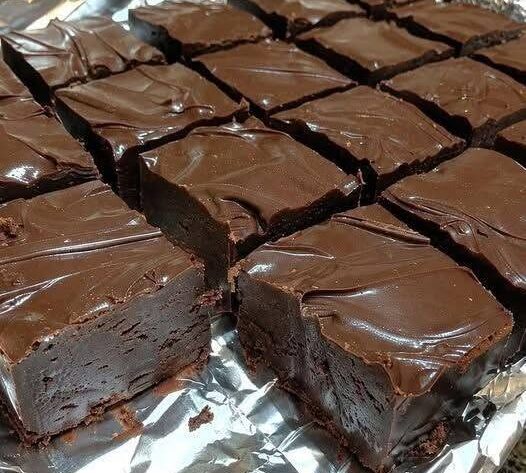
If you’re craving something rich, chocolatey, creamy, and satisfying without loading up on sugar, this Keto Chocolate Peanut Butter Fudge is about to become your new favorite treat. It’s incredibly easy to make, requires only a handful of simple ingredients, and comes together quickly with no complicated baking involved.
Best of all, this fudge is low in carbohydrates, making it a delicious option for anyone following a keto or low-carb lifestyle. The combination of smooth chocolate and creamy peanut butter creates that classic sweet-and-salty flavor that is almost impossible to resist.
Whether you need a quick dessert after dinner, a sweet snack with your afternoon coffee, or something homemade to keep in the refrigerator for those chocolate cravings, this recipe is a perfect choice.
Why You’ll Love This Keto Fudge
There are plenty of reasons to keep this recipe on repeat.
First, it is quick and simple. You don’t need to spend hours in the kitchen, and there’s no need to turn on the oven. A little melting, stirring, chilling, and you’re done.
Second, the texture is wonderfully rich and creamy. Peanut butter adds natural creaminess and a delicious roasted-nut flavor, while unsweetened chocolate or cocoa gives the fudge its deep chocolate taste.
And finally, it’s easy to customize. You can make it extra chocolatey, add a pinch of sea salt, sprinkle chopped nuts on top, or even add a little vanilla for extra flavor.
Ingredients
For this easy keto peanut butter fudge, you’ll need:
- 1 cup creamy natural peanut butter, preferably unsweetened
- ½ cup unsalted butter or coconut oil
- ½ cup unsweetened cocoa powder
- ¼ to ½ cup powdered keto-friendly sweetener, adjusted to taste
- 1 teaspoon vanilla extract
- ¼ teaspoon salt
- Optional: chopped peanuts or a sprinkle of flaky sea salt for topping
Choose peanut butter with minimal added ingredients. Ideally, the label should contain mostly peanuts and salt, without added sugar.
For the sweetener, powdered erythritol, allulose, or a keto-friendly powdered sweetener blend can work well. The amount you need will depend on the sweetness of the sweetener you use and your personal preference.
How to Make Keto Chocolate Peanut Butter Fudge
Start by preparing a small square baking dish or loaf pan. Line it with parchment paper, leaving a little extra paper hanging over the sides. This makes removing the chilled fudge much easier later.
Next, gently melt the butter or coconut oil in a small saucepan over low heat. Once melted, add the peanut butter and stir until the mixture becomes smooth and creamy.
Keep the heat low. You don’t want the mixture to boil; you simply want everything warm enough to combine.
Remove the saucepan from the heat and add the unsweetened cocoa powder, powdered sweetener, vanilla extract, and salt. Stir thoroughly until there are no visible lumps and the mixture looks glossy and smooth.
Taste a tiny amount and adjust the sweetness if necessary. If you prefer a richer chocolate flavor, you can add a little more cocoa powder. If you like sweeter fudge, add a little more powdered sweetener.
Pour the mixture into your prepared pan and spread it evenly with a spatula.
If you’re using toppings, now is the perfect time to add them. Chopped roasted peanuts give the fudge a wonderful crunch, while a light sprinkle of flaky sea salt creates a delicious contrast with the chocolate.
Place the pan in the refrigerator for at least 1–2 hours, or until the fudge has become firm.
Once set, lift the fudge from the pan using the parchment paper and cut it into small squares.
That’s it!
Tips for Perfect Fudge Every Time
The key to great keto fudge is controlling the texture and sweetness.
Use powdered sweetener. Granulated sweeteners can sometimes leave a slightly gritty texture. Powdered sweetener blends into the mixture much more smoothly.
Don’t overheat the ingredients. Low and slow is the way to go. Excessive heat can affect the texture of the peanut butter and cause the mixture to separate.
Taste before chilling. Since different keto sweeteners have different levels of sweetness, tasting the mixture before pouring it into the pan lets you adjust it exactly to your liking.
Let it chill completely. It can be tempting to cut into the fudge early, but giving it enough time to firm up produces much cleaner, more satisfying pieces.
Easy Variations
One of the best things about this recipe is how easy it is to change.
For extra crunch, stir chopped roasted peanuts into the mixture before transferring it to the pan.
For a more intense chocolate flavor, add a small amount of sugar-free dark chocolate along with the cocoa powder.
If you love the classic chocolate-and-peanut-butter combination, swirl a little extra softened peanut butter over the top before chilling.
You can also add unsweetened shredded coconut, chopped almonds, or a tiny pinch of cinnamon.
For a holiday-inspired version, add a little peppermint extract and top with unsweetened coconut flakes.
How to Store Keto Fudge
Store the finished fudge in an airtight container in the refrigerator. Because it contains peanut butter and butter or coconut oil, keeping it chilled helps maintain its firm texture.
The fudge can be enjoyed straight from the refrigerator, where it will be firm and chewy, or allowed to sit at room temperature for a few minutes if you prefer a softer texture.
You can also freeze individual pieces. Simply place parchment paper between the pieces before transferring them to a freezer-safe container. This makes it easy to grab one whenever a chocolate craving strikes.
How Many Carbs Are in Keto Fudge?
The exact nutritional values will depend on the specific ingredients and sweetener you choose. Peanut butter naturally contains some carbohydrates, and different brands can vary considerably.
For the lowest-carb version, choose unsweetened peanut butter, unsweetened cocoa powder, and a keto sweetener that contributes little or no net carbohydrate.
Rather than relying on a generic calculation, check the nutrition labels of your ingredients and calculate the nutrition based on the number of pieces you cut.
Remember that “keto” does not automatically mean unlimited. Portion size and your overall daily carbohydrate intake still matter.