 admin1
 No-Knead Gluten-Free Bread Recipe
There’s something incredibly satisfying about baking a fresh loaf of bread at home. The aroma that fills the kitchen, the golden crust, and the soft interior make homemade bread a favorite for many families. However, for those who follow a gluten-free diet, finding a bread recipe that is both easy and delicious can sometimes feel challenging. This No-Knead Gluten-Free Bread recipe solves that problem by creating a flavorful, soft, and hearty loaf without requiring any kneading at all.
Unlike traditional bread recipes that depend on gluten development through kneading, this gluten-free version uses a carefully balanced combination of ingredients to create structure and texture. The result is a loaf that slices beautifully, tastes amazing, and works perfectly for sandwiches, toast, or simply enjoying with butter.
Whether you’re new to gluten-free baking or an experienced baker looking for a reliable recipe, this easy no-knead bread is sure to become a staple in your kitchen.
Why You’ll Love This Recipe
- Completely gluten-free
- No kneading required
- Soft and fluffy texture
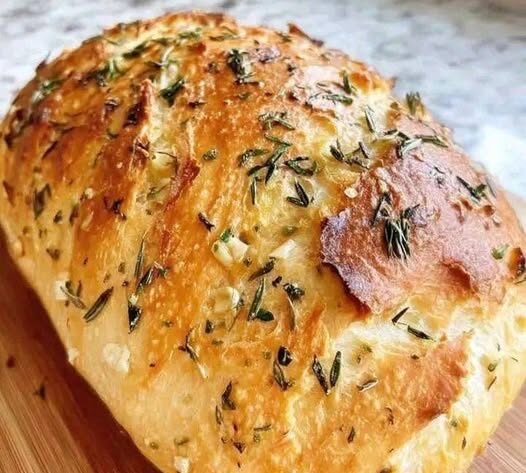
- Crispy golden crust
- Perfect for sandwiches and toast
- Beginner-friendly
- Made with simple pantry ingredients
- Freezer-friendly
What Makes Gluten-Free Bread Different?
Traditional bread relies on gluten proteins found in wheat flour. Gluten creates elasticity and traps gases produced by yeast, allowing bread to rise and develop its characteristic texture.
Since gluten-free flours lack these proteins, gluten-free bread requires additional ingredients such as psyllium husk, xanthan gum, or chia seeds to mimic gluten’s structure. These ingredients help create a dough that can rise properly and hold together after baking.
This recipe uses psyllium husk, which gives the bread an excellent texture while keeping it moist and soft.
Ingredients
Dry Ingredients
- 2 cups gluten-free all-purpose flour blend
- 1 cup brown rice flour
- ½ cup tapioca starch
- ¼ cup potato starch
- 2 tablespoons psyllium husk powder
- 1 teaspoon xanthan gum (optional)
- 1½ teaspoons salt
- 1 tablespoon sugar
- 2 teaspoons instant yeast
Wet Ingredients
- 2 cups warm water
- 2 tablespoons olive oil
- 1 teaspoon apple cider vinegar
Equipment Needed
- Large mixing bowl
- Wooden spoon
- Measuring cups and spoons
- Loaf pan (9×5 inch)
- Parchment paper
- Kitchen towel
- Wire cooling rack
Step-by-Step Instructions
Step 1: Activate the Psyllium Mixture
In a medium bowl, combine:
- Warm water
- Olive oil
- Apple cider vinegar
Sprinkle the psyllium husk powder into the liquid and stir immediately.
Allow the mixture to sit for 3–5 minutes. It will begin forming a gel-like texture. This gel helps replace the elasticity normally provided by gluten.
Step 2: Mix Dry Ingredients
In a large mixing bowl, combine:
- Gluten-free flour blend
- Brown rice flour
- Tapioca starch
- Potato starch
- Salt
- Sugar
- Instant yeast
- Xanthan gum
Whisk thoroughly to distribute all ingredients evenly.
Step 3: Combine Wet and Dry Ingredients
Pour the psyllium gel mixture into the bowl containing the dry ingredients.
Using a wooden spoon, mix until all flour is incorporated.
The dough will be wetter and stickier than traditional bread dough. This is completely normal for gluten-free bread.
Continue stirring for 2–3 minutes until the mixture becomes smooth.
Step 4: Transfer to Pan
Line your loaf pan with parchment paper.
Spoon the dough into the pan.
Using a spatula or damp hands, smooth the top surface.
You can sprinkle seeds on top if desired:
- Sesame seeds
- Sunflower seeds
- Pumpkin seeds
- Flaxseeds
Step 5: Let the Dough Rise
Cover the loaf pan loosely with a clean kitchen towel.
Place it in a warm area.
Allow the dough to rise for approximately 45–60 minutes.
The dough should increase noticeably in size.
Step 6: Preheat the Oven
Toward the end of the rise time, preheat your oven to:
375°F (190°C)
Allow the oven to fully preheat before baking.
Step 7: Bake
Place the loaf pan on the center rack.
Bake for:
50–60 minutes
The loaf should develop a beautiful golden-brown crust.
The internal temperature should reach approximately 205°F (96°C).
Step 8: Cool Completely
Remove the bread from the oven.
Allow it to rest in the pan for 10 minutes.
Transfer to a wire rack and cool completely before slicing.
Cooling is extremely important because gluten-free bread continues setting as it cools.
Tips for Success
Measure Carefully
Gluten-free baking depends heavily on accurate measurements.
For best results, use a kitchen scale whenever possible.
Don’t Skip Psyllium Husk
Psyllium husk provides structure and flexibility.
Without it, the bread may become crumbly.
Use Fresh Yeast
Check expiration dates.
Old yeast may not produce enough rise.
Allow Proper Cooling
Cutting bread too soon can result in a gummy texture.
Wait until completely cooled before slicing.
Optional Flavor Variations
Herb Bread
Add:
- 1 teaspoon rosemary
- 1 teaspoon thyme
- 1 teaspoon oregano
Perfect with soups and pasta dishes.
Garlic Bread Loaf
Mix in:
- 2 teaspoons garlic powder
- 1 teaspoon onion powder
Creates a savory loaf packed with flavor.
Seeded Bread
Add:
- 2 tablespoons sunflower seeds
- 2 tablespoons pumpkin seeds
- 1 tablespoon flaxseed
This adds nutrition and crunch.
Honey Oat Bread
Replace sugar with honey and add certified gluten-free oats.
This variation has a mild sweetness and hearty texture.
Serving Ideas
This bread is incredibly versatile.
Enjoy it:
- Toasted with butter
- With peanut butter and jam
- For sandwiches
- Alongside soup
- As garlic toast
- With avocado
- For breakfast
- With cheese and fruit
Nutritional Benefits
Brown Rice Flour
Provides:
- Fiber
- Magnesium
- B vitamins
Psyllium Husk
Offers:
- Soluble fiber
- Digestive support
- Improved texture
Olive Oil
Contains:
- Healthy fats
- Antioxidants
Gluten-Free Flours
Provide variety and unique nutrients compared to traditional wheat flour.
Storage Instructions
Room Temperature
Store in an airtight container.
Lasts:
2–3 days
Refrigerator
Store in a sealed container.
Lasts:
Up to 1 week
Freezer
Slice before freezing.
Store in freezer bags.
Keeps for:
Up to 3 months
Toast slices directly from frozen.
Common Mistakes to Avoid
Using Cold Water
Cold water slows yeast activity.
Always use warm water.
Overloading with Flour
Adding too much flour creates dense bread.
Follow measurements carefully.
Underbaking
Gluten-free bread often requires slightly longer baking.
Check internal temperature.
Cutting Too Early
Allow the loaf to cool completely.
Patience leads to better texture.
Frequently Asked Questions
Can I Make This Bread Dairy-Free?
Yes.
This recipe is naturally dairy-free when prepared as written.
Can I Use Active Dry Yeast?
Absolutely.
Activate it in warm water with sugar for 5–10 minutes before mixing.
Why Is My Bread Dense?
Common causes include:
- Old yeast
- Insufficient rise time
- Too much flour
- Cool room temperature
Can I Make It Without Xanthan Gum?
Yes.
Psyllium husk provides most of the necessary structure.
Can I Add Nuts?
Definitely.
Walnuts, pecans, and almonds work wonderfully.