 admin1
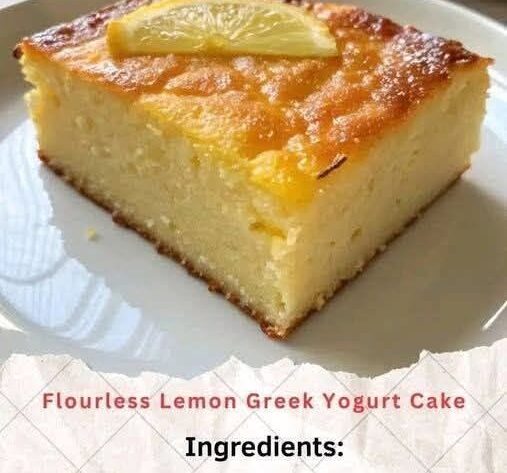
Flourless Lemon Greek Yogurt Cake is a light, moist, and flavorful dessert that brings together the fresh taste of lemon, creamy Greek yogurt, and almond flour in one easy homemade cake. Unlike traditional cakes made with refined wheat flour, this recipe uses almond flour as its main dry ingredient, giving the cake a naturally tender texture and a rich, nutty undertone. Greek yogurt adds moisture and a pleasant tang while also contributing protein to the recipe. Fresh lemon zest and lemon juice provide the bright citrus flavor that makes every bite taste fresh rather than overly sweet. This gluten-free lemon cake is an excellent choice for spring gatherings, afternoon tea, casual brunches, or a simple homemade dessert when you want something refreshing and satisfying.
Why Almond Flour Makes This Lemon Cake Special
Almond flour gives this cake a character that is noticeably different from a conventional flour-based cake. Made from finely ground almonds, it creates a soft and moist crumb while adding a naturally nutty flavor. Because almond flour does not contain traditional wheat flour, this recipe is naturally gluten-free when all other ingredients are certified gluten-free as needed. It also pairs especially well with lemon because its richness balances the sharp, fresh citrus notes. The result is a cake that feels delicate but still has enough substance to make it satisfying. When choosing almond flour, a finely ground variety generally works well for cakes because it creates a more even texture and helps the finished dessert remain tender.
The Role of Greek Yogurt in a Moist Cake
Plain Greek yogurt is one of the most important ingredients in this recipe because it contributes moisture, creaminess, and a gentle tang. The recipe specifies 2% or whole-milk Greek yogurt for extra creaminess, which helps create the soft texture associated with this Greek yogurt cake. Greek yogurt also works naturally with lemon because its mild acidity complements the citrus. When mixed with eggs and the other wet ingredients, it helps form a smooth batter that spreads evenly in the baking pan. Using plain yogurt rather than a flavored variety is important because flavored yogurts can contain added sugars and may change the intended flavor and sweetness of the cake.
Fresh Lemon Gives the Cake Its Signature Flavor
Fresh lemon is the ingredient that makes this cake especially bright. The recipe uses both the zest of two lemons and fresh lemon juice, allowing the citrus flavor to appear in more than one way. Lemon zest contains aromatic oils that provide an intense citrus fragrance, while lemon juice contributes acidity and a fresh, tangy taste. Using both creates a more balanced lemon flavor than relying on juice alone. When zesting lemons, remove the yellow outer layer without digging deeply into the white pith underneath, which can taste bitter. Freshly squeezed lemon juice is also ideal because it gives the cake a clean citrus character that works beautifully with honey or maple syrup.
Honey or Maple Syrup for Natural Sweetness
Instead of using granulated refined sugar, this recipe uses honey or maple syrup as its sweetener. Both options provide sweetness while adding their own subtle flavor. Honey can give the cake a delicate floral character, while maple syrup contributes a warmer, slightly caramel-like note. Since both are liquid sweeteners, they also contribute moisture to the batter. The choice between them can be based on personal preference and availability. Whichever option you use, measure it accurately so the balance between sweetness and the other ingredients remains consistent. The lemon provides acidity and brightness, so the natural sweetness helps round out the flavor without making the cake taste overwhelmingly sugary.
Eggs Help Create Structure and Tenderness
The three large eggs provide important structure in this flourless cake. Eggs help bind the almond flour and wet ingredients together while contributing richness and tenderness. They also help the cake set as it bakes. Because this recipe does not rely on wheat flour for structure, the eggs play an especially useful role in creating the final texture. For best results, use the size of eggs specified in the recipe rather than making large substitutions. Allowing refrigerated ingredients to come closer to room temperature can sometimes make mixing easier, although the recipe does not specifically require this. The goal is a smooth, evenly combined batter before it goes into the oven.
Olive Oil or Melted Coconut Oil Adds Moisture
The recipe includes two tablespoons of olive oil or melted coconut oil. Either option provides additional fat, which contributes to the moist texture of the finished cake. Olive oil can introduce a subtle fruity note depending on the variety used, while coconut oil can add a mild coconut character if it is not completely neutral. Since the recipe allows either option, choose according to the flavor you prefer. If using coconut oil, it should be melted before being incorporated into the batter. The oil works together with Greek yogurt and almond flour to create a cake that remains tender rather than dry. Accurate measurement is important because too much or too little fat can alter the texture.
Vanilla Extract Rounds Out the Citrus Flavor
Vanilla extract may seem like a small addition, but it helps bring the different flavors together. One teaspoon adds a gentle aromatic sweetness that complements both the lemon and the natural flavors of almond flour. Vanilla is often useful in cakes because it can soften sharper flavors and make the overall dessert taste more balanced. It does not need to dominate the recipe. Instead, it works quietly in the background alongside the lemon, yogurt, and chosen sweetener. Adding the vanilla with the other wet ingredients makes it easy to distribute evenly throughout the batter. The result should be a cake where lemon remains the main flavor while vanilla provides additional depth.
Baking Powder Gives the Cake Lift
Because this recipe does not use traditional wheat flour, the baking powder is important for helping the cake rise. The recipe calls for one teaspoon of gluten-free baking powder. Baking powder produces gas during baking, helping create a lighter texture instead of a dense, heavy cake. Make sure the baking powder is fresh and, if gluten avoidance is important, use a product specifically labeled gluten-free. Baking powder should be distributed evenly through the almond flour so the cake rises consistently. Unlike yeast-based recipes, there is no lengthy rising period. Once the batter is prepared and transferred to the baking pan, the chemical leavening begins doing its work as the cake heats.
How to Combine the Ingredients for the Best Texture
The mixing process should be gentle but thorough. Begin by combining the wet ingredients so the Greek yogurt, eggs, sweetener, oil, lemon juice, lemon zest, and vanilla can form a consistent mixture. The almond flour, baking powder, and salt can then be incorporated according to the recipe method. Because almond flour contains no gluten, there is no need to worry about developing gluten through excessive mixing. However, the batter should still be mixed only until everything is evenly combined. Overworking any cake batter can affect its texture, while under-mixing can leave pockets of dry almond flour or unevenly distributed baking powder. Aim for a smooth, cohesive batter.
Preparing the Baking Pan
Proper pan preparation helps the cake release cleanly after baking. Depending on the pan and your preferred method, the baking surface can be prepared according to standard cake-baking practice. The goal is to prevent the tender almond-flour cake from sticking when it is removed. Because this cake is naturally moist, giving the pan adequate preparation is particularly helpful. Once prepared, pour the batter evenly into the pan and gently smooth the surface. An even layer promotes consistent baking from edge to center. The original ingredient list does not specify a particular pan size, so the complete source recipe should be followed for the exact baking vessel and dimensions.
Baking the Lemon Greek Yogurt Cake
The cake should be baked according to the temperature and timing provided in the complete recipe. Since the supplied material does not include a baking temperature or cooking duration, those details should not be invented. Baking time can vary significantly depending on pan size, oven calibration, batter depth, and the specific ingredients used. A properly baked cake should be set rather than liquid in the center, while the surface should develop the appearance expected of a lightly baked lemon cake. Avoid opening the oven repeatedly during the early stages of baking because sudden temperature changes can affect how a cake rises. Follow the original recipe’s baking instructions for the most reliable result.
How to Tell When the Cake Is Done
Visual and physical cues can help determine whether the cake has finished baking, but the precise method should follow the original recipe. The surface should look set, and the center should no longer appear wet or liquid. Depending on the pan and oven, the edges may become slightly more golden than the middle. Because almond flour cakes tend to remain moist, don’t expect the center to look as dry as a traditional wheat-flour sponge cake. Allowing the cake to cool after baking is also important because the structure continues to settle as the temperature decreases. Cutting into a very hot cake can make the crumb seem softer than it actually is.
Cooling the Cake Before Serving
Cooling is an important part of achieving the right texture. Once the cake has finished baking, allow it to cool according to the original recipe’s instructions before slicing. A flourless cake containing almond flour and Greek yogurt can be particularly delicate while warm. Cooling gives the ingredients time to set, making the cake easier to cut and serve neatly. It also allows the lemon flavor to become more balanced. If served too soon, the cake may appear overly soft or difficult to handle. Once cooled, the tender crumb should hold together while retaining the moist texture that makes this recipe appealing.
Serving Ideas for a Lemon Almond Flour Cake
This cake can be served in several simple ways depending on the occasion. Its fresh lemon flavor makes it particularly suitable for spring brunches, afternoon tea, family gatherings, or light dessert tables. It can be enjoyed on its own because the combination of lemon, almond, Greek yogurt, and natural sweetener already provides plenty of flavor. A cup of tea or coffee can complement the citrus notes beautifully. Because the original recipe does not include frosting, glaze, fruit topping, or powdered sugar, those additions have not been included in the structured recipe card. Keeping the cake simple allows its naturally bright flavor and moist texture to remain the focus.
A Naturally Gluten-Free Dessert Option
For people avoiding gluten, this recipe offers an appealing cake option because almond flour replaces traditional wheat flour. However, anyone with celiac disease or a medically necessary gluten-free diet should check the labels of all packaged ingredients, particularly baking powder and other processed products, to avoid cross-contact. The ingredients themselves should be selected according to individual dietary requirements. Almond flour is naturally gluten-free, and the recipe does not contain conventional wheat flour. This makes it a useful option when searching for a gluten-free lemon dessert, although individual dietary needs should always be considered when choosing packaged ingredients.
Notes for Consistent Results
A few practical details can make this cake easier to prepare successfully. Measure the almond flour accurately rather than compressing it heavily into a measuring cup. Use fresh lemons for both zest and juice to achieve the brightest flavor. Make sure the baking powder is still active, particularly if it has been stored for a long time. Greek yogurt should be plain, as specified, and 2% or whole milk yogurt can provide the creamy texture described in the recipe. When combining the ingredients, mix until the batter is uniform but avoid unnecessary overmixing. Finally, allow the cake to cool before slicing so the crumb has time to stabilize.
Frequently Asked Questions About Flourless Lemon Cake
Is this lemon cake gluten-free? The recipe uses almond flour instead of wheat flour and calls for gluten-free baking powder, making it naturally gluten-free when all ingredients are appropriately sourced. Can I use Greek yogurt with a different fat percentage? The recipe specifically recommends 2% or whole-milk Greek yogurt for creaminess, so those options should be preferred when following the recipe as written. Can honey and maple syrup be substituted for each other? The original recipe permits either honey or maple syrup. Does the cake contain refined flour? No, almond flour is used instead of traditional refined wheat flour. What gives the cake its lemon flavor? Both fresh lemon zest and fresh lemon juice are included. Is this cake suitable for breakfast? The supplied description specifically presents it as an option for breakfast with tea, as well as a dessert.
Nutritional Information and Protein Content
Greek yogurt and eggs contribute protein to this cake, while almond flour also provides protein and fat. However, the exact nutritional values depend on the specific brands and whether honey or maple syrup is used. The recipe does not provide a nutrition panel, so precise calories, protein, carbohydrates, fats, fiber, and sugar should be calculated using the exact ingredients and serving size. It is also worth remembering that “flourless” does not automatically mean low calorie or low carbohydrate. Almond flour contains fat and calories, while honey and maple syrup contain carbohydrates. This recipe can be enjoyed as part of a balanced eating pattern without making unsupported nutritional claims.
Why This Recipe Is Perfect for Spring and Afternoon Tea
The combination of lemon and almond has a naturally fresh quality that works particularly well for spring occasions. Lemon provides a bright citrus aroma, while almond flour gives the cake a warm, subtly nutty foundation. Greek yogurt keeps the texture moist and contributes a pleasant tang that prevents the dessert from feeling overly rich. These qualities make the cake suitable for brunches, afternoon tea, family gatherings, and casual celebrations. Its relatively simple ingredient list also makes it approachable for home bakers. Whether served as a light dessert or enjoyed with a warm drink, this lemon Greek yogurt cake offers a refreshing alternative to heavier chocolate or cream-based desserts.
Recipe Card
Flourless Lemon Greek Yogurt Cake
Description:
A moist and tender flourless lemon cake made with almond flour, creamy Greek yogurt, fresh lemon juice, lemon zest, eggs, and natural sweetener. This naturally gluten-free cake has a bright citrus flavor and works beautifully for spring gatherings, breakfast, brunch, dessert, or afternoon tea.
Preparation Duration: Not specified
Cooking Duration: Not specified
Total Duration: Not specified
Serving: Not specified
Ingredients
- 1 ½ cups (150 g) almond flour
- 1 cup (240 g) plain Greek yogurt (2% or whole milk for creaminess)
- 3 large eggs
- 1/3 cup (80 ml) honey or maple syrup
- 2 tbsp olive oil or melted coconut oil
- Zest of 2 lemons
- 1/4 cup (60 ml) fresh lemon juice
- 1 tsp vanilla extract
- 1 tsp baking powder (gluten-free)
- Pinch of salt
Step-by-Step Instructions
- Prepare the ingredients: Measure all ingredients carefully. Zest two lemons and squeeze enough fresh juice to provide the specified amount.
- Prepare the baking pan: Prepare the baking pan using your preferred standard cake-pan preparation method so the finished cake can be removed easily.
- Combine the wet ingredients: In a mixing bowl, combine the plain Greek yogurt, eggs, honey or maple syrup, olive oil or melted coconut oil, lemon zest, fresh lemon juice, and vanilla extract.
- Mix until smooth: Stir the wet ingredients until they are evenly combined and the mixture has a consistent texture.
- Add the dry ingredients: Add the almond flour, gluten-free baking powder, and pinch of salt to the wet mixture.
- Create the batter: Gently mix until the ingredients are fully incorporated and a smooth, cohesive cake batter forms. Avoid unnecessary overmixing.
- Transfer to the pan: Pour the prepared batter into the baking pan and spread it evenly.
- Bake: Bake according to the original recipe’s specified oven temperature and timing. Those details were not included in the supplied recipe, so they have not been invented here.
- Check for doneness: The cake should be set and no longer appear wet in the center when properly baked.
- Cool: Allow the cake to cool before slicing. Cooling helps the tender flourless crumb become more stable and easier to serve.
- Serve: Slice and serve the cooled cake as a breakfast treat, light dessert, brunch dish, or accompaniment to tea.
Nutritional Information
Exact nutritional information was not provided with the original recipe. Values will vary depending on the Greek yogurt, almond flour, honey or maple syrup, oil, and final serving size used.
- Calories: Not provided
- Protein: Not provided
- Total Fat: Not provided
- Saturated Fat: Not provided
- Carbohydrates: Not provided
- Fiber: Not provided
- Sugar: Not provided
- Sodium: Not provided
Notes
- Use plain Greek yogurt, preferably 2% or whole milk as specified in the original recipe.
- Fresh lemon zest and fresh lemon juice provide the strongest citrus flavor.
- Either honey or maple syrup may be used, as permitted by the original ingredient list.
- Either olive oil or melted coconut oil may be used.
- If gluten-free preparation is important, verify that the baking powder and other packaged ingredients are labeled appropriately.
- Allow the cake to cool before slicing for a more stable texture.
- The original recipe did not provide an exact oven temperature, baking time, pan size, or serving size, so those details have not been fabricated.