 admin1
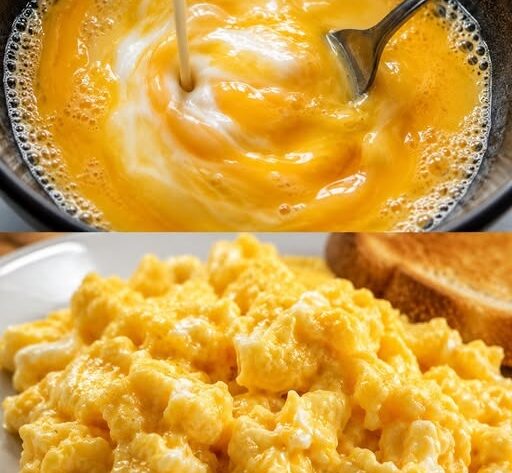
If you love a delicious breakfast that is quick, comforting, and full of flavour, these Creamy Soft Scrambled Eggs are a recipe worth trying! They are wonderfully fluffy, tender, and creamy, with soft folds of perfectly cooked eggs in every bite. Made with simple ingredients, this easy breakfast comes together in just a few minutes.
The secret to making soft scrambled eggs is cooking them gently over low heat while stirring slowly. This helps create delicate, creamy curds instead of dry, rubbery eggs. A little butter and milk or cream add extra richness, making the finished eggs smooth and satisfying.
Whether you serve them on warm toast, alongside fresh vegetables, or as part of a weekend breakfast, these scrambled eggs are an easy way to start the day. You do not need special equipment or complicated cooking techniques. Just a bowl, a whisk, and a non-stick frying pan are enough.
Why You Will Love These Creamy Soft Scrambled Eggs
There are plenty of reasons to make this simple breakfast recipe.
- Quick and easy: Ready in approximately 10 minutes.
- Creamy texture: Gentle cooking creates soft, tender eggs.
- Simple ingredients: Uses everyday kitchen staples.
- Perfect for breakfast: Delicious served with toast or fresh vegetables.
- Easy to customise: Add cheese, herbs, or your favourite seasonings.
- Naturally gluten-free: The basic recipe contains no wheat ingredients.
- Family-friendly: A comforting breakfast that is easy to prepare.
What Are Soft Scrambled Eggs?
Soft scrambled eggs are eggs cooked slowly over gentle heat until they form small, delicate curds. Unlike traditional scrambled eggs that are cooked until firm and dry, soft scrambled eggs remain moist and creamy.
The texture is what makes this recipe special. Instead of large, firm pieces, the eggs develop soft folds that are rich and tender.
The cooking method is just as important as the ingredients. High heat can make eggs cook too quickly, which often results in a dry or rubbery texture. Low heat gives you more control and helps create a creamy finish.
Ingredients You Need
You only need a few simple ingredients to make these delicious creamy scrambled eggs.
Eggs
Large eggs are the main ingredient in this recipe. Fresh eggs create a naturally rich flavour and provide the structure for the soft scrambled texture.
Milk or Cream
A small amount of milk or cream adds moisture and richness. Heavy cream creates a richer result, while regular milk gives the eggs a lighter texture.
Butter
Butter adds delicious flavour and helps prevent the eggs from sticking to the pan. It also gives the finished dish a smooth, rich taste.
Salt
Salt brings out the natural flavour of the eggs. Add it according to your preference.
Black Pepper
Freshly ground black pepper adds a little warmth and extra flavour. It is optional but works beautifully with eggs.
Fresh Herbs
Chopped chives or parsley can be added just before serving. They provide a fresh flavour and a little colour.
How to Make Creamy Soft Scrambled Eggs
Making soft scrambled eggs is simple, but the cooking technique makes a big difference. Follow these easy steps for a creamy and fluffy result.
Step 1: Crack the Eggs
Crack the eggs into a medium-sized mixing bowl.
Check that there are no pieces of eggshell in the bowl. Using fresh eggs can help give your breakfast a delicious flavour.
Step 2: Add the Milk or Cream
Pour the milk or cream into the eggs.
Use a fork or whisk to combine everything until the yolks and whites are fully mixed. The mixture should have an even yellow colour.
Avoid whisking excessively because you only need to combine the ingredients smoothly.
Step 3: Season the Mixture
Add a little salt and black pepper to the egg mixture.
Stir gently to distribute the seasoning evenly. You can also add a small amount of garlic powder or your favourite herbs if you want additional flavour.
Step 4: Melt the Butter
Place a non-stick frying pan over low heat.
Add the butter and allow it to melt gently. Swirl the pan so the butter coats the bottom evenly.
Avoid allowing the butter to brown too much because the goal is to create a gentle cooking environment for the eggs.
Step 5: Pour in the Egg Mixture
Once the butter has melted, pour the egg mixture into the pan.
Allow it to sit briefly until the edges begin to set slightly. Keep the heat low throughout the cooking process.
Step 6: Stir Slowly and Gently
Using a silicone spatula, gently move the eggs from the edges towards the centre of the pan.
Continue stirring slowly, allowing the uncooked egg mixture to move into the empty spaces.
As the eggs cook, soft and creamy curds will begin to form. Keep moving them gently rather than stirring too aggressively.
Step 7: Finish Cooking
Continue cooking until the eggs are softly set and creamy.
Remove the pan from the heat while the eggs are still slightly glossy. The remaining warmth will continue cooking them briefly.
For food safety, make sure the eggs are fully cooked to a safe temperature of 71°C (160°F), or use pasteurised eggs if preparing a softer style that does not reach this temperature.
Step 8: Serve and Enjoy
Transfer the scrambled eggs to a serving plate.
Add freshly chopped chives or parsley if desired. Serve immediately with toast, avocado, tomatoes, or your favourite breakfast sides.
Tips for the Creamiest Scrambled Eggs
A few simple techniques can help you make delicious scrambled eggs every time.
Use low heat: Gentle cooking gives you more control and helps prevent the eggs from becoming tough.
Use a non-stick pan: This makes stirring easier and helps prevent sticking.
Whisk before cooking: Make sure the egg whites and yolks are evenly combined.
Stir gently: Slow movements create soft, delicate curds.
Do not overcook: Eggs continue cooking briefly after being removed from the heat, so avoid leaving them in the hot pan.
Serve immediately: Scrambled eggs are best enjoyed fresh while they are warm and creamy.
What to Serve with Soft Scrambled Eggs
These creamy scrambled eggs are delicious on their own, but they also pair well with many breakfast favourites.
- Buttered toast: A classic combination for a simple breakfast.
- Avocado: Adds a creamy texture and fresh flavour.
- Fresh tomatoes: Their juicy taste balances the richness of the eggs.
- Mushrooms: Sautéed mushrooms make a delicious savoury side.
- Grilled vegetables: Serve with spinach, peppers, or courgettes.
- Breakfast potatoes: Crispy potatoes make the meal more filling.
- Fresh herbs: Chives and parsley add freshness and colour.
Delicious Variations
One of the best things about scrambled eggs is how easy they are to customise.
Cheesy Soft Scrambled Eggs
Add a little grated cheddar cheese towards the end of cooking. Stir gently until the cheese melts into the eggs.
Cream Cheese Scrambled Eggs
Add a small spoonful of cream cheese while cooking. It creates an extra creamy texture and a mild, rich flavour.
Garlic and Herb Scrambled Eggs
Add a small pinch of garlic powder and finish with freshly chopped parsley or chives.
Spinach Scrambled Eggs
Add a handful of fresh spinach to the pan and allow it to soften before pouring in the egg mixture.
Tomato Scrambled Eggs
Add a few finely chopped tomatoes for a fresh and slightly tangy flavour. Cook the tomatoes briefly before adding the eggs.
Spicy Scrambled Eggs
Add a pinch of paprika or chilli flakes for a little extra warmth.
Common Mistakes to Avoid
Even though scrambled eggs are easy to make, a few mistakes can affect their texture.
Cooking over high heat: High temperatures can cause the eggs to become dry and tough. Keep the heat low.
Using too much milk: Adding too much liquid can make the eggs watery. Use a small amount for a creamy texture.
Overcooking: Leaving the eggs in the pan for too long can make them firm and rubbery.
Stirring too aggressively: Gentle movements help create soft curds without breaking them into tiny pieces.
Leaving them in the pan: Transfer the eggs to a plate as soon as they are cooked because the hot pan can continue cooking them.
How to Store Leftover Scrambled Eggs
Soft scrambled eggs taste best when served immediately. However, if you have leftovers, allow them to cool and transfer them to a clean, airtight container.
Refrigerate promptly and keep them at 4°C (40°F) or below. Use refrigerated leftovers within 3–4 days.
When reheating, use a microwave or frying pan until the eggs are thoroughly heated to 74°C (165°F). Stir gently during reheating to help warm them evenly.
For the best creamy texture, it is recommended to prepare only the amount you plan to eat.
Can You Freeze Scrambled Eggs?
Scrambled eggs can be frozen, although their texture may change after thawing. They may become slightly watery or less creamy.
If you decide to freeze them, allow the eggs to cool completely before placing them in a freezer-safe container.
For the best quality, use within 2–3 months. Thaw in the refrigerator and reheat thoroughly before serving.
Frequently Asked Questions
How Do You Make Scrambled Eggs Creamy?
The best way is to cook them gently over low heat while stirring slowly. A little butter and milk or cream can also add richness and moisture.
Should I Add Milk or Cream to Scrambled Eggs?
You can use either. Milk creates a lighter result, while cream provides a richer texture. Both work well in this recipe.
Why Are My Scrambled Eggs Watery?
Watery eggs can result from adding too much liquid or cooking them unevenly. Measure the milk carefully and cook over gentle heat.
Should I Cook Scrambled Eggs on High or Low Heat?
Low heat is recommended for this recipe. It allows the eggs to cook gradually and makes it easier to control their texture.
Can I Make Scrambled Eggs Without Milk?
Absolutely! You can leave out the milk or cream and use eggs, butter, salt, and pepper. The result will still be delicious.
What Pan Is Best for Scrambled Eggs?
A non-stick frying pan is an excellent choice because it prevents sticking and makes the eggs easier to move around while cooking.
Can I Add Cheese to Soft Scrambled Eggs?
Yes! Cheddar, mozzarella, and Parmesan are all delicious options. Add the cheese towards the end of cooking for the best results.
Creamy Soft Scrambled Eggs Recipe Card
Description: These Creamy Soft Scrambled Eggs are fluffy, tender, buttery, and full of flavour. Made with simple ingredients and cooked gently over low heat, they are perfect for a quick and satisfying breakfast.
Preparation Time: 3 minutes
Cooking Time: 5–7 minutes
Total Time: 8–10 minutes
Servings: 2
Course: Breakfast
Cuisine: American
Ingredients
- 4 large eggs
- 2 tablespoons milk or heavy cream
- 1 tablespoon butter
- ¼ teaspoon salt
- ⅛ teaspoon black pepper
- Fresh chives or parsley (optional)
Instructions
- Crack the eggs into a mixing bowl.
- Add the milk or cream, salt, and black pepper.
- Whisk until the mixture is evenly combined.
- Place a non-stick frying pan over low heat.
- Add the butter and allow it to melt.
- Pour the egg mixture into the pan.
- Allow the edges to begin setting slightly.
- Gently stir the eggs with a silicone spatula, moving them from the edges towards the centre.
- Continue cooking slowly until the eggs are fully cooked and softly set.
- Transfer immediately to serving plates.
- Garnish with fresh chives or parsley and serve warm.
Nutrition Information
Approximate values per serving, based on 2 servings.
| Nutrient | Amount |
|---|---|
| Calories | 225 kcal |
| Protein | 14g |
| Carbohydrates | 2g |
| Fat | 18g |
| Saturated Fat | 8g |
| Sugar | 1g |
| Fibre | 0g |
| Sodium | 390mg |
Nutrition values are estimates and may vary depending on the size of the eggs and whether milk or cream is used.
Recipe Notes
- Cook over low heat for a tender texture.
- Use a non-stick pan for easier cooking.
- Do not add too much milk or cream.
- Stir gently to create soft curds.
- Serve immediately for the best flavour and texture.
- Make sure the eggs are fully cooked to a safe temperature.