 admin1
 Creamy Soft Scrambled Eggs (2000-Word Complete Guide)
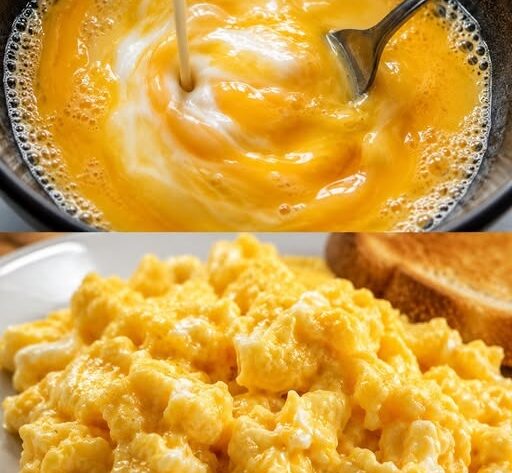
Creamy soft scrambled eggs are one of the simplest yet most luxurious breakfast dishes you can make at home. When done correctly, they have a silky texture, soft curds, and a rich buttery flavor that feels like something from a high-end restaurant.
Eggs egg are naturally packed with protein, healthy fats, and essential nutrients, making them one of the most complete and versatile foods in the world. The key to perfect scrambled eggs is not complexity, but technique—low heat, patience, and proper stirring.
This guide will take you through everything you need to know: ingredients, cooking method, science behind texture, mistakes to avoid, variations, and serving ideas.
Why Creamy Scrambled Eggs Are Different
Scrambled eggs can be made in many styles:
- Dry and firm (common home style)
- Soft and creamy (restaurant style)
- Overcooked and rubbery (mistake)
Creamy scrambled eggs are different because:
- They are cooked slowly over low heat
- Butter is added for richness
- Eggs are stirred continuously
- Heat is controlled carefully
The result is a soft, custard-like texture instead of dry chunks.
Ingredients
Basic Ingredients
- 3 to 4 large eggs
- 1 to 2 tablespoons butter
- Salt to taste
- Black pepper to taste
Optional Ingredients
- 1 tablespoon milk or cream (for extra softness)
- Fresh herbs (parsley, chives)
- Grated cheese (optional)
Step 1: Choosing the Right Eggs
Fresh eggs make a big difference.
Good eggs should have:
- Firm yolk
- Thick white
- Clean shell
Fresh eggs produce better texture because the proteins are stronger and hold moisture better during cooking.
Step 2: Whisking the Eggs Properly
Crack the eggs into a bowl and whisk them thoroughly.
Key points:
- Whisk until yolk and white are fully combined
- Add salt before cooking (not after)
- Optional: add a small splash of cream or milk
Whisking introduces air, which helps create a lighter texture.
Step 3: Preparing the Pan
Use a non-stick pan if possible.
- Place pan on very low heat
- Add butter and let it melt slowly
- Do not let butter brown
Butter provides:
- Flavor
- Creaminess
- Smooth cooking surface
Low heat is the most important factor in this entire recipe.
Step 4: Cooking the Eggs Slowly
Pour the whisked eggs into the pan once butter is melted.
Now follow this carefully:
- Keep heat low at all times
- Stir continuously with a spatula
- Move eggs gently from edges to center
- Do not rush or increase heat
As eggs cook:
- They will start as liquid
- Then form soft curds
- Then become creamy and thick
Remove from heat while still slightly runny because residual heat continues cooking.
Step 5: Finishing the Texture
This step is what separates average eggs from perfect creamy eggs.
- Turn off heat when eggs are slightly undercooked
- Add a small knob of butter
- Stir gently until glossy and creamy
The final texture should be:
- Soft
- Moist
- Slightly shiny
- Not dry or rubbery
The Science Behind Soft Scrambled Eggs
Egg proteins begin to coagulate at around 60–65°C. If heat is too high:
- Proteins tighten too quickly
- Moisture gets squeezed out
- Result becomes dry and rubbery
Low heat allows:
- Gentle protein formation
- Moisture retention
- Smooth texture development
Butter also slows down cooking slightly, helping maintain creaminess.
Common Mistakes and Fixes
1. Eggs are dry
Cause: too much heat
Fix: cook on lower heat and remove earlier
2. Eggs are watery
Cause: undercooked or excess milk
Fix: cook slightly longer while stirring
3. Eggs are rubbery
Cause: overcooking
Fix: remove from heat while still soft
4. Eggs stick to pan
Cause: not enough butter or bad pan
Fix: use non-stick pan and proper butter amount
Variations of Creamy Scrambled Eggs
Cheese Scrambled Eggs
Add grated cheese while eggs are still soft for extra richness.
Herb Scrambled Eggs
Add parsley, chives, or dill for freshness.
Spicy Scrambled Eggs
Add chili flakes or black pepper for heat.
Vegetable Scrambled Eggs
Add onions, tomatoes, or spinach for a healthier version.
What to Serve With Scrambled Eggs
Creamy scrambled eggs go well with:
- Toast or buttered bread
- Avocado slices
- Roasted potatoes
- Fresh salad
- Tea or coffee
They are perfect for breakfast, brunch, or light dinner.
Nutrition Information (Approximate)
Per serving (3 eggs):
- Calories: 250–300
- Protein: 18–21g
- Fat: 20–25g
- Carbohydrates: very low
This makes them ideal for:
- High-protein diets
- Low-carb diets
- Weight management plans
Professional Chef Tips
- Always use low heat
- Stir continuously but gently
- Remove before fully cooked
- Use fresh eggs for best texture
- Add butter at the end for shine
Small details make a big difference in texture.